Wondering whether a Maplewood bungalow is the right fit for you? You are not alone. These homes have real charm, strong buyer appeal, and a distinctive look that feels tied to Maplewood’s character, but they also come with age, upkeep, and pricing considerations that are important to understand before you write an offer. If you are thinking about buying in Maplewood, this guide will help you know what to look for, what tends to matter most, and how to shop with more confidence. Let’s dive in.
Why Maplewood bungalows stand out
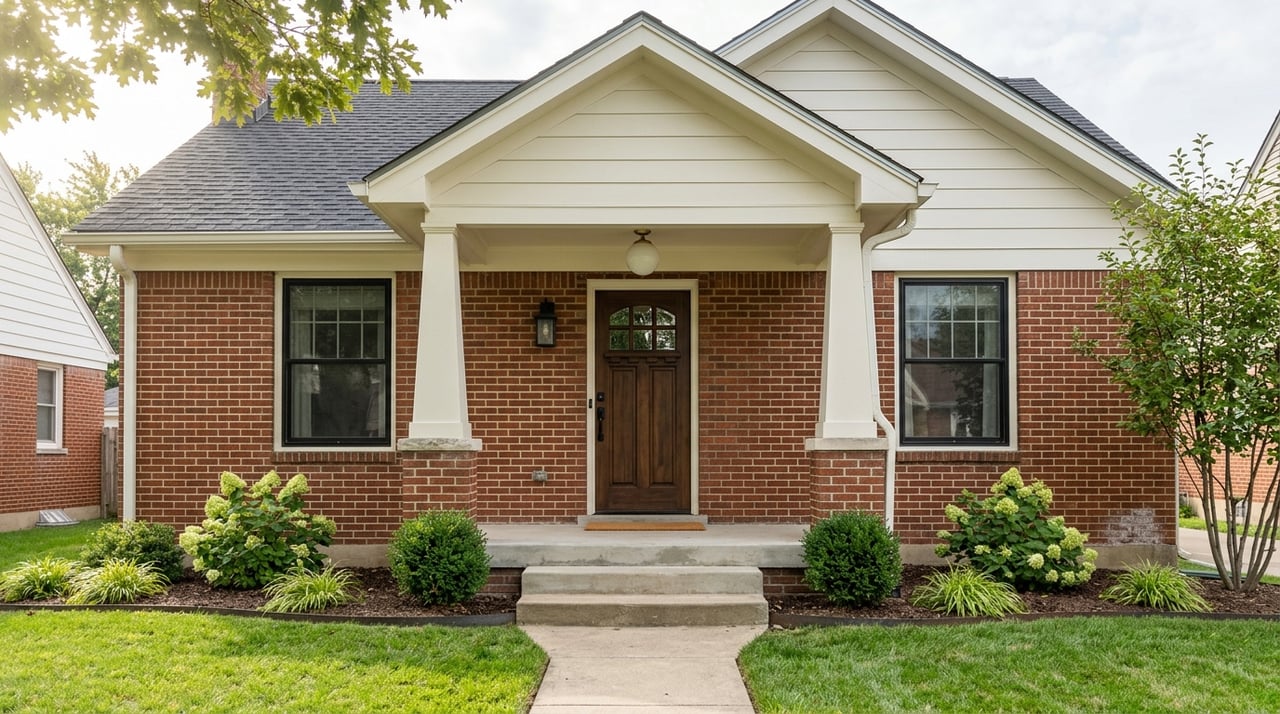
Maplewood’s own design guidelines identify the bungalow as one of the city’s four major home styles. In general, these homes are typically 1 to 1.5 stories with a low-pitched roof, a covered front porch, and a smaller cottage-like scale.
You will also often see details like exposed rafters or brackets, square porch columns, and double-hung sash windows. In Maplewood, those exterior elements are part of what gives a bungalow its recognizable curb appeal.
Porches are especially common on homes built before 1950, according to the city’s guidelines. That means outdoor living space is often a key part of the home’s layout and first impression.
What size home to expect
If you are picturing a sprawling floor plan, most Maplewood bungalows will feel more compact than newer suburban homes. Recent Maplewood listings suggest many buyers are looking at homes in roughly the 900 to 1,700 square foot range, with some properties larger because of additions or renovations.
That smaller footprint can be a plus if you want a home that feels manageable and efficient. It can also mean you need to think carefully about storage, room sizes, and whether the current layout matches how you live day to day.
What lots and yards are usually like
Lot sizes in Maplewood’s bungalow market also tend to be modest. Sample listings show lots around 3,645 to 7,492 square feet, which often means tighter setbacks and smaller yards than what you might find in newer subdivisions.
For many buyers, that tradeoff is worth it for the location and architectural character. Still, it helps to go in with realistic expectations about outdoor space, parking, and how close neighboring homes may sit.
Exterior details that matter in Maplewood
Not every update adds value in the same way. In Maplewood, the city’s design guidelines put visual emphasis on roof pitch, porch proportions, brick or stone exteriors, painted wood trim, and garages placed to the side or rear rather than dominating the front of the home.
That is useful for buyers because it gives you a framework for judging whether renovations feel consistent with the home and neighborhood. Thoughtful updates often blend in, while changes that fight the original architecture can feel out of place.
Carports are also noted as not typical of the era when many Maplewood homes were built. If you are comparing properties, features that align with the home’s original character may feel more natural from the street.
Common layout realities inside a bungalow
Bungalows are loved for charm, but charm and modern function do not always line up perfectly. You may find smaller bedrooms, one main bath, limited closet space, or a kitchen that has been updated but still works within an older footprint.
Some homes have additions that create more living space or a family room. Those expanded layouts can be appealing, but it is smart to look closely at how well the addition flows with the original structure.
Inspection items buyers should prioritize
Because many Maplewood bungalows are older homes, the inspection phase matters a lot. A thorough review should pay close attention to the structure, exterior, roofing, plumbing, electrical, HVAC, insulation and ventilation, fireplaces, porches, detached garages, gutters and downspouts, and surface drainage.
In practical terms, that means you want a clear picture of both charm and condition. A beautiful front porch and original built-ins are great, but major systems and water management issues tend to have a bigger impact on your budget after closing.
A few high-priority inspection areas include:
- Roof condition and roof drainage systems
- Gutters, downspouts, and how water moves away from the house
- Electrical service panels and any updates to wiring
- Plumbing condition and water heater age
- HVAC performance and efficiency
- Attic insulation and ventilation
- Porch stability and wood condition
- Detached garage condition, if present
- Basement moisture or waterproofing history
Drainage and grading deserve extra attention
Maplewood’s design guidelines specifically note that site grading and drainage should be respected. For buyers, that is a reminder that older lots can be charming but may also need careful attention to runoff, downspouts, and how water moves across the property.
If a home has a basement, this matters even more. During your inspection period, it is worth asking detailed questions about any past water intrusion, drainage improvements, or waterproofing work.
Original windows and masonry are not always problems
Older materials can worry buyers, but age alone does not mean something has to be replaced right away. The National Park Service notes that wood windows can last more than 100 years with regular maintenance, and repairs like caulking, weatherstripping, and glazing work may be worth considering before full replacement.
That matters in Maplewood because many bungalows feature original details that contribute to their style. If a home has older windows, brick, stone, or painted wood trim, the better question is often whether those materials have been maintained properly.
The same goes for masonry. Improper maintenance or abrasive cleaning can damage brick and stone, so a well-kept exterior may be more valuable than a quick cosmetic refresh.
Lead paint is a real consideration in older homes
If you are buying an older bungalow, lead-based paint should be on your radar. The EPA says the older the home, the more likely it is to contain lead-based paint, and 87% of homes built before 1940 have some lead-based paint.
For most homes built before 1978, federal lead disclosure rules apply. If you are planning repairs or renovations after closing, lead-safe work practices are also important to keep in mind.
This does not mean you should avoid older homes. It simply means you should understand the age of the property, review disclosures carefully, and plan responsibly for any future work.
Why updated systems often matter more than cosmetics
In Maplewood’s bungalow market, listings suggest buyers place meaningful value on functional upgrades. Current examples highlight features like newer roofs, updated electric panels, high-efficiency furnaces, thermal or newer windows, newer water heaters, waterproofed basements, and thoughtful additions.
That is an important takeaway if you are comparing homes at different price points. Fresh paint and stylish finishes can be attractive, but system upgrades often have a bigger effect on day-to-day comfort and your near-term maintenance costs.
When you tour a home, ask yourself two questions:
- What has been updated for appearance?
- What has been updated for function?
The strongest value is often in homes that offer both.
Maplewood pricing compared with St. Louis
Maplewood currently reads as a tighter, higher-priced inner-ring market than the city of St. Louis overall. Redfin reports Maplewood’s median sale price at $304,818 in May 2026, up 25.7% year over year, while Realtor.com shows a median listing price of $302,000 and a 14-day median time on market.
For broader context, Redfin reports the city of St. Louis median sale price at $254,847 with a median 21 days on market. Realtor.com’s citywide listing view shows a median listing price of $209,000 and a 38-day median time on market.
These sources use different methodologies, so they are not direct one-to-one comparisons. Even so, they point in the same direction: Maplewood tends to trade at a premium and with less inventory than St. Louis as a whole.
What that means for your offer strategy
In a market with tighter inventory and quick turn times, preparation matters. If you are serious about a Maplewood bungalow, it helps to understand your budget, know your must-haves, and be ready to evaluate condition quickly.
That does not mean you should rush. It means you should have a clear plan for balancing charm, price, and repair needs so you can move decisively when the right home appears.
A practical bungalow checklist for buyers
When you walk through a Maplewood bungalow, keep this short checklist in mind:
- Does the layout work for your daily life?
- Are the bedrooms, baths, and storage adequate for your needs?
- Have the roof, HVAC, electrical, plumbing, or water heater been updated?
- Do the basement, gutters, downspouts, and grading show good water management?
- Is the porch in solid condition?
- If there is a detached garage, is it functional and well maintained?
- Do exterior updates fit the home’s original style?
- Are you comfortable with the lot size and yard space?
- Have you reviewed the age-related maintenance considerations that come with an older home?
The bottom line on buying a Maplewood bungalow
A Maplewood bungalow can be a smart and rewarding purchase if you understand what you are buying. These homes stand out for their front porches, compact scale, and architectural character, but the best buying decisions come from looking past charm alone and focusing on condition, drainage, system updates, and how the home fits your lifestyle.
If you want guidance that is responsive, practical, and specific to Maplewood and the inner-ring St. Louis market, Michelle Gegg can help you evaluate homes, move quickly when needed, and make a confident decision.
FAQs
What makes a Maplewood bungalow different from other homes in Maplewood?
- Maplewood’s design guidelines identify bungalow as one of the city’s major home styles, typically marked by 1 to 1.5 stories, low-pitched roofs, covered front porches, and classic exterior details like square porch columns and double-hung windows.
How big are Maplewood bungalows usually?
- Recent sample listings suggest many Maplewood bungalows fall in roughly the 900 to 1,700 square foot range, though additions and renovations can increase the size.
What should buyers inspect first in a Maplewood bungalow?
- Buyers should pay close attention to roofing, drainage, gutters, downspouts, plumbing, electrical, HVAC, attic ventilation, porches, detached garages, and any signs of basement moisture or water issues.
Are smaller lots common for Maplewood bungalows?
- Yes. Sample Maplewood listings show lot sizes that are often modest, which can mean smaller yards, tighter setbacks, and a more compact site pattern than newer suburban neighborhoods.
Do updated features matter when buying a Maplewood bungalow?
- Yes. In current Maplewood listings, functional upgrades like newer roofs, updated electric panels, efficient furnaces, newer water heaters, waterproofed basements, and thoughtful additions appear to matter more than cosmetic updates alone.
Should buyers be concerned about lead paint in older Maplewood bungalows?
- Buyers should be aware of it. The EPA says older homes are more likely to contain lead-based paint, and most homes built before 1978 are subject to federal lead disclosure requirements.
