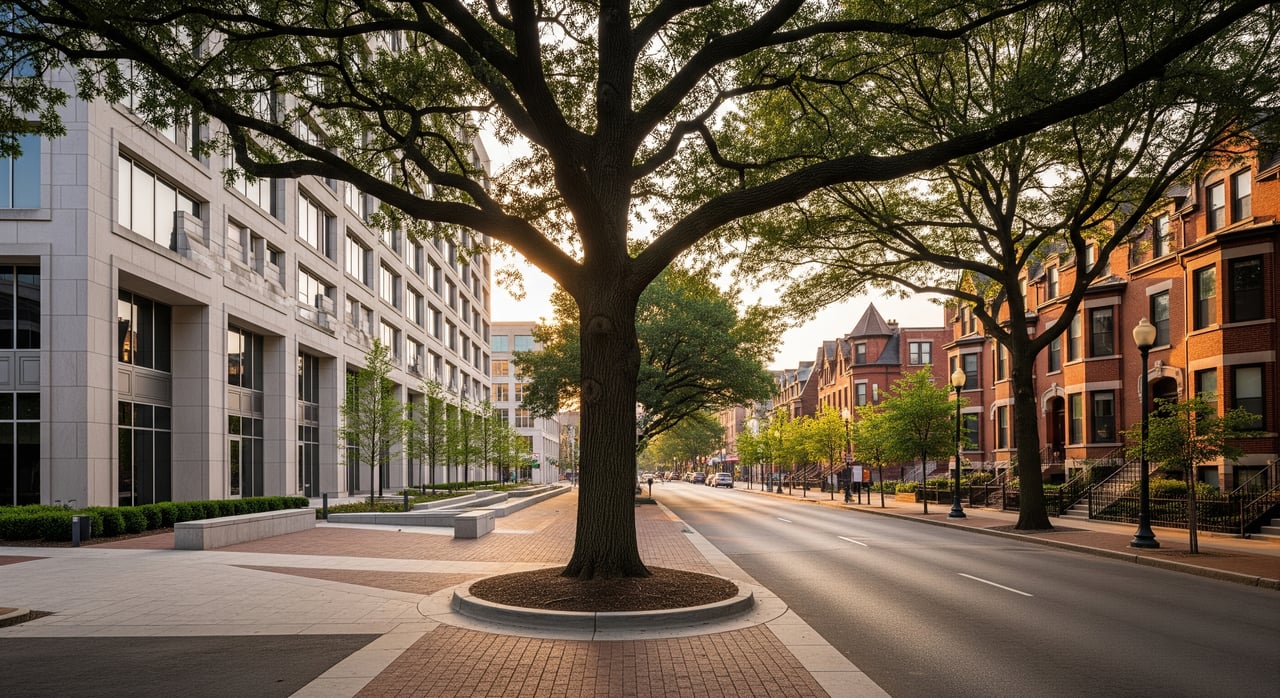
Torn between Clayton and University City for your next move? You’re not alone. Both offer an urban vibe near the St. Louis core, but they feel very different day to day. This guide gives you a clear comparison of lifestyle, housing, commute patterns, and ownership details so you can decide with confidence. Let’s dive in.
Quick take: which fits you
If you want a polished, low‑maintenance address near major offices and professional services, lean Clayton. If you want character homes, more private yard options, and an eclectic dining and arts scene, lean University City. Most buyers will find a strong fit with one city based on housing type, commute needs, and preferred lifestyle.
Vibe and lifestyle
Clayton at a glance
Clayton serves as St. Louis County’s civic and business hub, with a downtown feel and a high concentration of law firms, corporate offices, and professional services. You’ll see mid‑ and high‑rise residential buildings alongside newer luxury condos and apartments. The rhythm is busier on weekdays with a professional, polished atmosphere. Upscale restaurants and hotel bars make it easy to meet clients or enjoy a sleek night out.
University City at a glance
University City, shaped by its streetcar‑suburb roots, centers much of its culture on the Delmar Loop. Independent restaurants, music venues, bookstores, and arts spaces create a lively, walkable energy. Surrounding the commercial corridors are tree‑lined blocks with early 20th‑century single‑family homes that offer architectural character. The vibe blends eclectic dining, neighborhood charm, and strong community activity.
Housing options and costs
What you’ll find on the ground
- Clayton: A broad mix of condos and townhomes, plus smaller‑lot single‑family homes and occasional newer infill on compact lots. Buildings often include amenities and structured parking.
- University City: A larger share of single‑family homes and duplexes, including bungalows and foursquares with period details, alongside apartments and condo conversions near the Loop.
How to compare costs the right way
- Use current data. Ask your agent for the latest median sale price and price per square foot for each city. Pair that with inventory trends, median days on market, and sales‑to‑list ratios for a current read.
- Compare by tier. Look at entry options like smaller condos or older bungalows, mid‑tier 3–4 bedroom homes, and premium properties such as new construction or luxury condos.
- Budget for the full monthly. For condos, factor mortgage plus HOA dues. For single‑family homes, factor mortgage plus maintenance and property taxes. Include parking and utility differences where relevant.
Side‑by‑side snapshot
| Topic | Clayton | University City |
|---|---|---|
| Core feel | Professional downtown energy, polished | Eclectic, arts‑forward main street feel |
| Typical housing | Condos, townhomes, some small‑lot SFH | Single‑family homes, duplexes, some condos |
| Ownership focus | HOA life, amenities, structured parking | Private yards, home maintenance, street or driveway parking |
| Dining and nightlife | Upscale restaurants, hotel bars | Independent eateries, live music, bookstores |
| Everyday errands | Professional services and markets near core | Mix of shops and services near Delmar and neighborhood nodes |
| Green space | Small parks and plazas, access to trails | Neighborhood parks and proximity to Forest Park |
| Commute anchors | County offices, corporate parks, medical/insurance | Washington University area, Forest Park, nearby corridors |
| Best fit if you want | Low‑maintenance living near offices | Character homes and more outdoor space potential |
Commute and transit
Clayton access
Clayton sits close to major arterials like Clayton Road and Forsyth Boulevard, with quick access to I‑170 and county routes. That centrality keeps many county job centers within a short drive. Transit options include MetroBus routes in the core, and regional rail access nearby, though stations are not evenly distributed by neighborhood. Expect commute times to vary by exact address and time of day.
University City access
University City offers quick access to the Delmar Loop and routes toward Forest Park and Washington University. Neighborhood street patterns and parking can vary block to block, so previewing a route at peak times is smart. Transit options include MetroBus coverage and nearby MetroLink access depending on your location. As with Clayton, use mean travel time indicators and then test your commute live.
Everyday convenience and amenities
Walkability and daily errands
Both cities give you walkable pockets. Clayton’s downtown core clusters professional services, boutique markets, and dining within a compact area. In University City, the Delmar Loop concentrates restaurants and entertainment, while neighborhood corridors provide everyday conveniences.
Dining, arts, and culture
If you prefer white‑tablecloth settings and hotel lounges, you’ll find more choices in Clayton. If you gravitate to live music, local bookstores, and independent eateries, the Loop will keep your calendar full. Many buyers enjoy visiting both, but your weekend routine may tilt one way or the other.
Parks and recreation
Clayton offers small parks and plazas, plus access to regional trails. University City benefits from neighborhood parks and proximity to Forest Park, a major regional green space. When you tour, map out your nearest trailheads, playgrounds, and fitness options.
Schools and learning
Clayton is served by the Clayton School District and University City by the University City School District. To compare priorities like programs, enrollment, and trends, review each district’s official report cards and state education data. Washington University sits adjacent to parts of University City, which adds nearby arts, lectures, and employment opportunities. Always verify exact school boundaries by property address.
Safety and due diligence
Safety patterns can vary by block in both municipalities. Review police department crime maps and county data for current information by crime category and trend direction. Visit properties at different times of day and speak with neighbors to understand the local feel.
For older homes in University City, plan for a thorough inspection. Common items in older housing stock can include outdated wiring, older mechanicals, foundation settlement, and legacy materials like lead paint. For Clayton condos, scrutinize the HOA’s reserve funding, upcoming maintenance, special assessments, parking rules, rental caps, and any pending litigation.
Ownership rules and future change
HOAs and condo governance
If you pursue a Clayton condo or townhome, request and review:
- Bylaws, CC&Rs, budgets, and reserve studies
- Meeting minutes for recent maintenance and assessment discussions
- Rules for parking, pets, rentals, and alterations
- Insurance coverage, claims history, and any litigation
Zoning and development
Both cities have active planning departments, zoning maps, and periodic rezonings. If you care about future density, streetscape changes, or nearby projects, review recent planning agendas and council minutes. This is especially useful if you are considering a unit facing a potential development site.
Rentals and STRs
If you plan to rent later, confirm municipal rules for long‑term rental registration and any short‑term rental restrictions. Policies differ by city and can affect financing and future use.
Permitting and renovations
For older homes, learn the permitting process and whether any historic overlays apply. In condos, confirm interior alteration rules and required approvals before planning renovations.
Buyer profiles: who fits where
Relocating professional seeking prestige and convenience:
- Clayton: Walk to professional services, enjoy low‑maintenance living, and stay close to county employers.
- University City: Consider a condo near the Loop if you want nightlife and quick access to Forest Park or Washington University.
Move‑up buyer wanting space and character:
- Clayton: Smaller lots are common near the core, though you may find select infill options.
- University City: Larger share of character homes with private yard potential on tree‑lined blocks.
Downsizer prioritizing simplicity:
- Clayton: Building amenities, structured parking, and concierge‑style convenience fit well.
- University City: Single‑level or low‑maintenance homes near commercial nodes may also work depending on location.
Investor focused on rental demand:
- Clayton: Appeals to professionals who value proximity to offices and services.
- University City: Attracts interest near the Loop and Washington University. Verify local rental rules first.
House‑hunting checklist
If you’re eyeing an older U City home
- Order a comprehensive inspection with attention to electrical, plumbing, foundation, roof, and environmental items.
- Ask for past permits and contractor receipts for major systems.
- Budget for phased updates to mechanicals and energy efficiency.
If you’re eyeing a Clayton condo or townhome
- Review HOA reserves, budgets, and recent engineering reports.
- Confirm parking assignments, guest parking, and EV charging policies.
- Understand rental caps, pet policies, and any pending assessments.
For both cities
- Pull current market stats for your housing type and price tier, with a clear timestamp.
- Test your commute during peak times and review transit options.
- Check school boundaries by address and study official district data.
- Visit the block morning, afternoon, and evening to assess noise, parking, and activity.
Next steps
Your best choice comes down to how you live. Clayton delivers polished, low‑maintenance convenience near major offices. University City brings character homes, lively dining, and more private yard potential. If you want a tailored comparison with current numbers, neighborhood insights, and on‑the‑ground tours, connect with a local expert who works both markets daily. Ready to narrow it down and see the right homes first? Reach out to Michelle Gegg for a custom game plan.
FAQs
Which area offers stronger resale potential over time?
- Focus on fundamentals like proximity to job centers, institutional anchors, walkability, and supply constraints, then review current market trends by housing type with a timestamped data pull.
Where will I likely get more yard space for the price?
- You’ll generally find more single‑family homes with private yards in University City, while Clayton offers more condos and townhomes near the core.
How do monthly costs differ between a Clayton condo and a U City house?
- Compare mortgage plus HOA dues for a condo against mortgage plus maintenance and property taxes for a single‑family home, then layer in parking and utilities.
Which is better for school‑age children?
- Verify school boundaries by address and compare official district report cards and programs; the right fit depends on your priorities, not a single ranking.
What inspections matter most in older University City homes?
- Request thorough inspections of electrical systems, foundation, roof, plumbing, and potential legacy materials, and review any past permits and upgrades.
What HOA documents should I review for a Clayton condo?
- Ask for bylaws, CC&Rs, budgets, reserve studies, meeting minutes, insurance details, parking rules, rental caps, and any notices about special assessments.
How should I evaluate safety in a specific block?
- Review police crime maps and recent trend data, visit at different times of day, and talk with neighbors for context.
Are there restrictions on renting my place later?
- Check each city’s rental registration requirements and any rules on short‑term rentals; HOA documents may add additional restrictions.
